New World Screwworm
ATTENTION: Immediately report any suspicious wounds or suspected cases of NWS to your game warden, wildlife biologist, veterinarian, local county extension agent, or the ODAFF state veterinarian at 405-522-6141.
What is New World Screwworm?
New World screwworms (NWS) are parasitic flies (Cochliomyia hominivorax) that lay eggs in open wounds or orifices of live, warm-blooded animals.
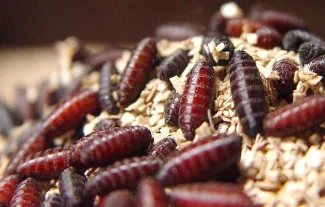
These eggs hatch into dangerous parasitic larvae (maggots) that burrow into flesh as they feed on living tissue. NWS larvae burrow or “screw” into living tissue with sharp mouth hooks, giving them a screw-like appearance. An infestation can often cause serious, deadly damage.
NWS primarily infests livestock and wildlife but will infest any warm-blooded animal, including humans.
It is important to note this does not impact food and the food supply is safe.
New World Screwworm Photos
Images provided by USDA. Go to USDA Screwworm image gallery for more images.

USDA

Sohath Yusseff-Vanegas, USDA Agricultural Research Service
COPEG
Protect Wildlife From NWS
Hunters, conservationists, and outdoor enthusiasts can play a critical role in monitoring NWS. Whether you’re hunting, scouting, conducting research, or working with wildlife, your observations help protect Oklahoma's wildlife.
Learn the Signs
- Visible maggots (larvae) or white egg masses in wounds or body openings like nose, ears, genitalia, or the navel of newborn animals.
- Wounds that have a bloody discharge a strong, foul rotten smell.
- Animals that look in pain or are lethargic, unusually aggressive, or isolating themselves.
Stay Alert
Not all maggot infestations in tissue (myiasis) are caused by NWS, but any maggots on living animals should be treated as suspicious and reported immediately.
- Monitor game cameras and observe wildlife for signs of infestation.
- Inspect harvested game for maggots or unusual wounds.
- Avoid unintentionally spreading screwworm if the animal has suspicious wounds and maggots or you are hunting in an NWS-affected area.
- Always wear gloves or wash hands after handling affected animals; NWS is not contagious, but wounds can be infected with bacteria.
Report Suspicious Wounds
- Document the location (using GPS if possible), date, species, and wound description.
- Take photos or videos of the wound when possible.
- Immediately report any suspicious wounds or suspected cases of NWS to your game warden, wildlife biologist, veterinarian, local county extension agent, or the ODAFF state veterinarian at 405-522-6141.
What to Know Before Traveling to or Through an Infested State
- Visit https://ag.ok.gov/ for movement requirements and permits.
How to Test for NWS
Anyone who suspects NWS should contact their local wildlife biologist, game warden, veterinarian, the Oklahoma State Veterinarian's office and/or their local OSU extension agent. OSU Extension will have testing materials and can help get proper samples sent to the lab for testing.
Reporting New World Screwworm
All suspected and confirmed cases of NWS must be reported immediately to the State Veterinarian's Office at 405-522-6141 upon suspicion of clinical disease. Reports can be made by anyone, not just veterinarians or laboratories. Proper reporting will help slow the spread of this invasive pest. Do your part to help Oklahoma agriculture by reporting suspicious and positive cases.
Call State Veterinarian's Office
Map of Confirmed Detections of New World Screwworm
Visit aphis.USDA.gov for more information about confirmed detections.