Conservation never stops. And that's been true in 2025. Work has been steadfast and ongoing, especially as it pertains to species not traditionally hunted and fished. Birds, bats and bees have been surveyed, along with a suite of other nongame species. School groups were introduced to the wonder of wetlands and prairies. Butterflies have been tagged. Oklahoma’s species of greatest conservation need were reassessed and the State Wildlife Action Plan was updated.
“We’re continually learning about Oklahoma’s fish and wildlife species,” said Kurt Kuklinski, wildlife diversity and research supervisor for the Wildlife Department. “I’m looking forward to another great year in 2026, with surveys planned for breeding birds, crawfish frogs and swift fox tracks. We're also partnering with universities to learn even more about the state's mountain plovers and salamanders, beetles and butterflies.
"Your support can help strengthen these survey efforts, and help us add even more to the collective knowledge of the conservation community.”
Keep conservation efforts going strong in 2026 with a tax-deductible donation to the Wildlife Department's Wildlife Diversity Program.
How Conservation is Funded
Hunters, anglers, and outdoor enthusiasts have been steadfast sponsors of conservation work across the nation. In Oklahoma, the Wildlife Department does not receive any state-appropriated tax dollars. Instead, hunting and fishing license dollars unlock a pool of federal grants generated by excise taxes collected on certain hunting and fishing equipment purchases. Other licenses like the Wildlife Conservation Passport, donations, and revenue from agricultural and oil leases can also be used to match federal grants.
More Ways to Support Conservation
Financial support helps put conservation plans into action but there are other great ways to support conservation in Oklahoma. Hunters and anglers can mentor incoming conservationists; naturalists can share their fish and wildlife sightings; and everyone can learn and share about Oklahoma's incredible species and conservation stories.
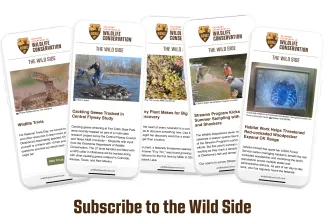
Stay connected to the Wildlife Diversity Program throughout the year with our free e-newsletter, the Wild Side. Each month, we deliver updates on the Wildlife Department's conservation projects, offer tips for identifying Oklahoma’s fish and wildlife, and share ways to get involved.
Favorite Stories from 2025:
💡 Test Your Wildlife Trivia Knowledge
🌱 Tiny Plant Makes for a Big Discovery
🐟 Summer Streams Sampling
🌲 Woodpecker Expands OK Range
📸 Five Tips For School Picture Day
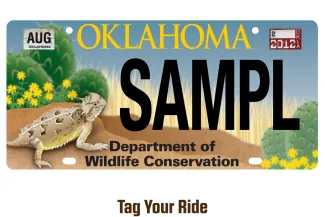
Show your love of Oklahoma’s wildlife with a specialty license plate that sponsors conservation efforts! Nine designs support the Wildlife Diversity Program, including the white-tailed deer, scissor-tailed flycatcher and Texas horned lizard options. Plates may be ordered from the Oklahoma Tax Commission in person at any licensed operator location (including “tag agencies”), or online through Service Oklahoma.
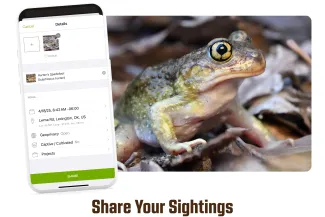
Contributing to conservation can be as simple as sharing the details of observations made in your backyard, during your commute, or on your recent hunting or fishing trip. Specific what, when and were details of your nature sightings can help biologists track the status of fish, wildlife, and plants across the state.