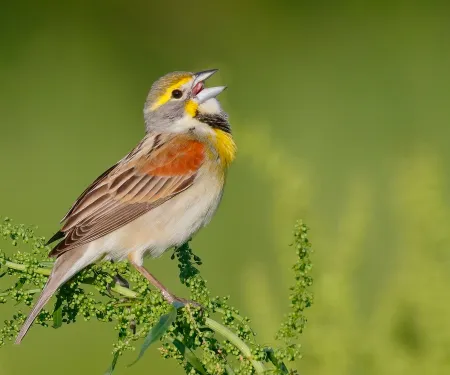
Birding by Ear: Tips for Identifying Bird Songs
Identifying the songs and calls made by individual bird species, or birding by ear, is a great way to level up your nature experience and appreciate birds in a new way.
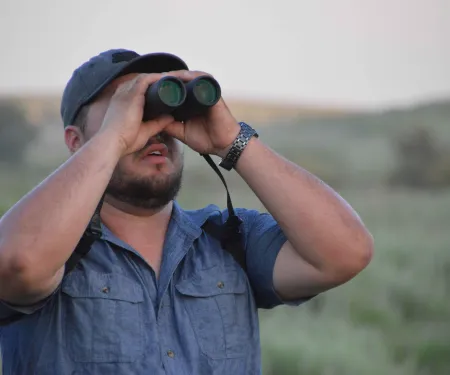
Find Your Next Birding Hotspot
Oklahoma has a great mix of birds and bird habitats, making the state an epic place to begin or level up your bird watching journey. We share recs for where to go birding in Oklahoma, regardless of your birding style.
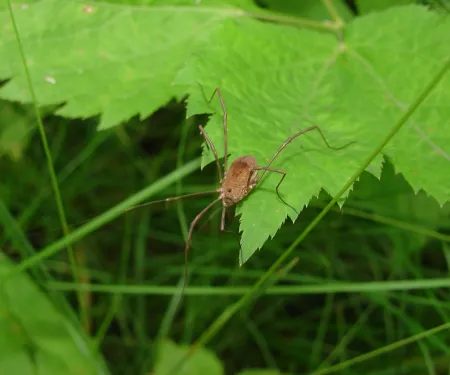
Watchable Wildlife: Daddy Longlegs
Think you know the truth about daddy longlegs? The world's most venomous spider myth might be more complicated than you think — discover what these mysterious creatures really are, how they defend themselves, and why you might actually want them around.

Phenology
Phenology is an easy activity to help you become more attuned to the natural areas around you, including (maybe most importantly) your backyard! It’s as easy as marking dates on a calendar (either a virtual calendar on your mobile phone or a paper calendar).

Young Birder’s Amazing Talent Could Be His Life’s Calling
Eleven-year-old Samuel Henderson, a young birder with an extraordinary ability to mimic dozens of bird calls, gained national attention after a video of his school talent show performance went viral. His passion for birds has opened doors to new opportunities and inspired hopes of a future in conservation.
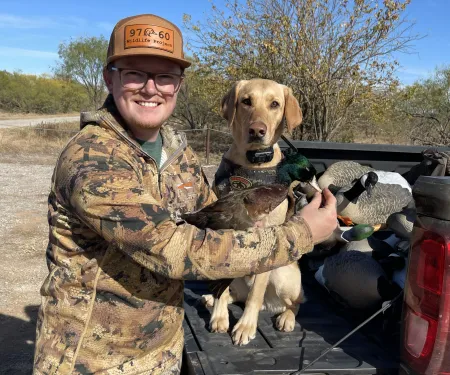
Public Lands Hybrid Is Hunter’s One-in-a-Million Bird
A longtime duck hunter bagged what biologists suspect is a mallard – wood duck hybrid while hunting public lands in 2025. We dive into the science behind hybridization with the Wildlife Department’s migratory game bird technician to get a “behind-the-genes" look at this special hunt.
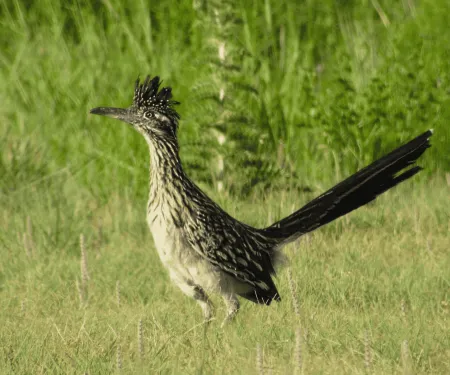
MEEP! MEEP! All About the Roadrunner
From cartoon legend to real-life desert icon, the greater roadrunner is a lightning-fast, rattlesnake-hunting bird with surprising intelligence, beauty, and deep cultural history right here in Oklahoma. Read on to discover why this remarkable species stands out.
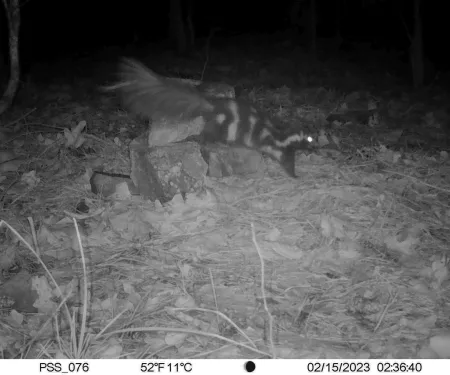
For One Survey Team, “Getting Skunked” Smells Like Success
Getting skunks on camera was a critical first step in an Oklahoma State University survey team’s effort to learn more about the Plains spotted skunk population in southeastern Oklahoma. The secretive and little-known skunk was detected at about half of the survey sites on the Ouachita National Forest.
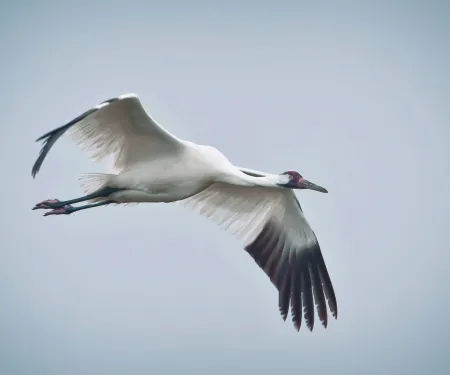
Endangered Whooping Cranes to Move through Oklahoma
Whooping cranes to make 2,500-mile migration with stops in Oklahoma.