Outdoor Oklahoma Journal
This is the Outdoor Oklahoma Journal, where we're all about helping you pursue and engage in Oklahoma's vibrant outdoor lifestyle. Follow us for great hunting and fishing stories, wildlife features, insider information about unique opportunities, and tangible details on how to go out and be a hunter, angler, and conservationist. The outdoors are always open, so don't miss out!
Trickle Down Economics for Wildlife
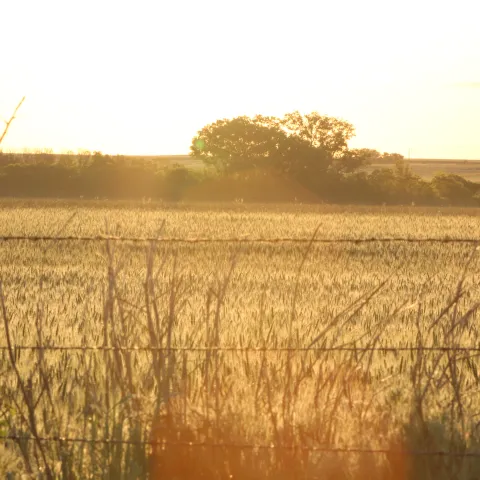
Is maintaining or even boosting your bottom-line while improving wildlife habitat a pipe dream? It’s an economics topic that is worth exploring.

Herman Jones Named ODWC Landowner of the Year
The Oklahoma Department of Wildlife Conservation acknowledges Adair County landowner Herman Jones of Stilwell as the 2022 Landowner of the Year.
The Ins and Outs of “Tiger Bass®”
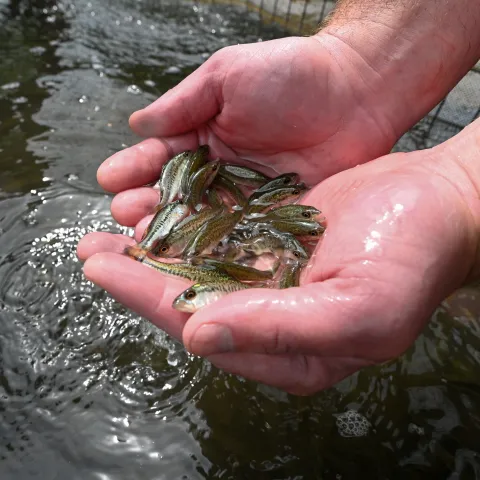
If you're interested in boosting the largemouth bass trophy potential of your pond and truly growing giants, you may want to look into stocking hybrids of some sort, like tiger bass®.
The Importance of Shrub Cover for Quail
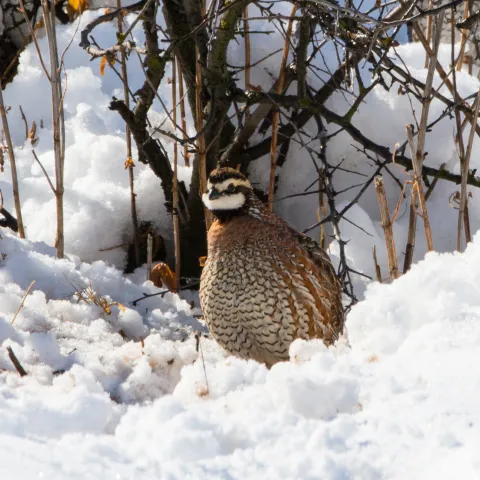
Are some shrubs better than others? What should a suitable shrub thicket look like for quail and how many should be there? We discuss the importance of shrub cover for quail.

Test Your Bird-watching Wings on Raptors
Peering at raptors, or birds of prey, through binoculars may feel hawkward at first, but you'll have a hoot in no time!
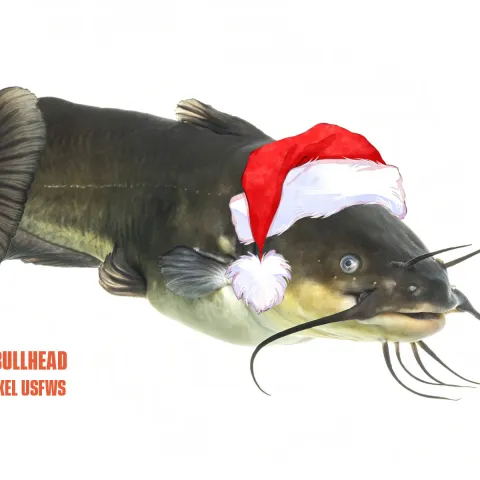
We Wish You a Merry Fishmas
This holiday season, we’re celebrating the incredible diversity that is Oklahoma’s fish community. Swim along for these Fishmas facts!
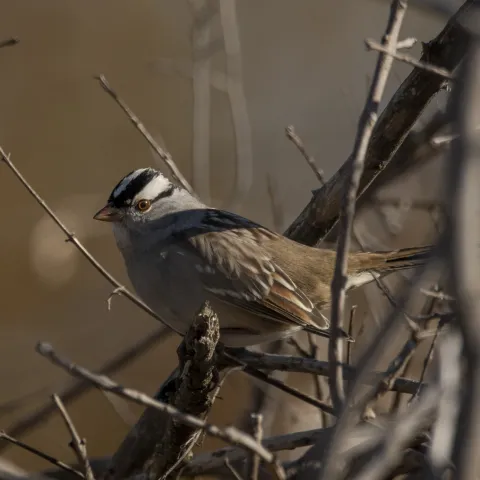
Online Tools for Identifying Songbirds
Get recommendations for apps that can help with identifying songbirds.
Becoming a Deer Hunter
Watch the story of one hunter's journey of learning to hunt whitetails in Oklahoma.
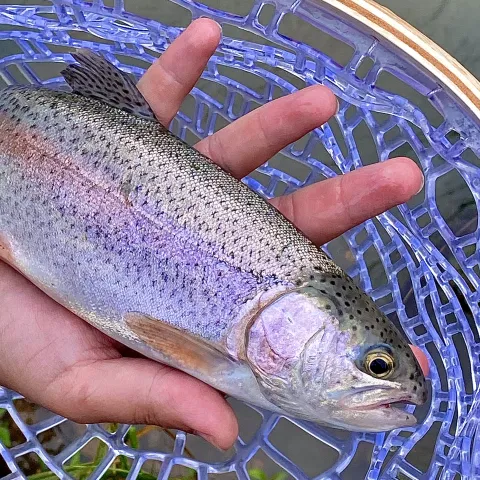
Trout Angler Guide: Top Tips & Area Highlights
Trout fishing has something for the whole family!
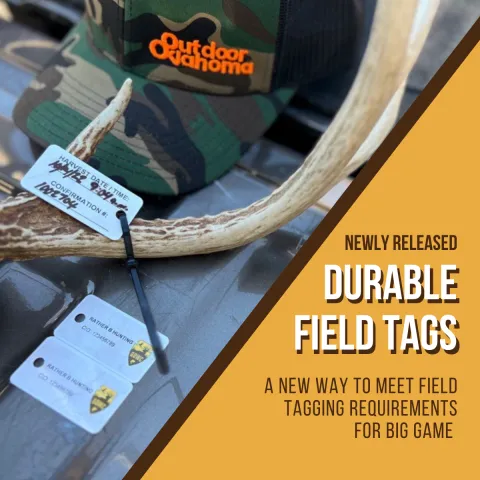
New Field Tags on Go Outdoors Oklahoma Provide Option for Big Game Hunters
Want something better than duct tape for your big game field tag? Get a set of three custom field tags available through your Go Outdoors Oklahoma profile for just $6.