For many people, waterfowl hunting can seem overwhelming. Between decoys, duck calls, regulations, and special gear, getting started can feel intimidating. For youth who don’t have a family member or mentor to show them the ropes, that challenge can seem even bigger.
That’s why the Oklahoma Department of Wildlife Conservation offers Guided Youth Waterfowl Hunts across the state. Designed for youth ages 12 to 15, these special hunts provide young hunters with the opportunity to experience waterfowl hunting alongside experienced guides who handle the details and teach the skills needed to get started. Participants only need themselves, a completed hunter education certification, and an accompanying adult guardian. These hunts are drawings for youth applicants who have completed a certified hunter education course.
Mallards, Mentors, and Memories
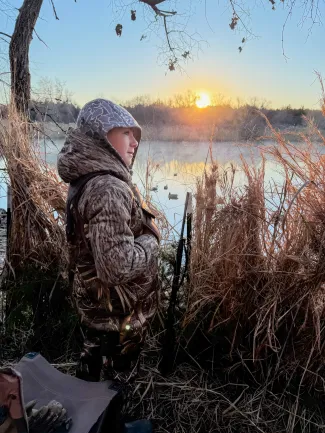
For 12-year-old Ryatt, the opportunity was an easy “yes” when his dad asked if he wanted him to apply him for the chance to be drawn for the youth hunt.
“I was excited. “ Ryatt said when asked how he felt after learning he had been selected.
Ryatt's guide was migratory bird biologist Paxton Smith, who studies waterfowl and helps manage Oklahoma’s migratory birds. Ryatt expected to learn about hunting, but what he did not expect was a behind-the-scenes look at the work that goes into conserving waterfowl.
When Ryatt was asked about what he learned from Paxton on his hunt, he said: “mainly what his job was and what he did with waterfowl.”
The hunt was very exciting. Ryatt saw a ton of birds, including mallards, geese, and even a kingfisher.
The best moment of the day for Ryatt was “watching mallards cupping in at daybreak.”
For waterfowl hunters, few sights are more memorable than ducks locking their wings and dropping into the decoys as the sun rises over the marsh. It is a scene that often turns first-time hunters into lifelong outdoor enthusiasts.
Ryatt also practiced important firearm safety skills through the hunt.
“Make sure your gun is always pointed in a safe direction and on safety,” Ryatt said.
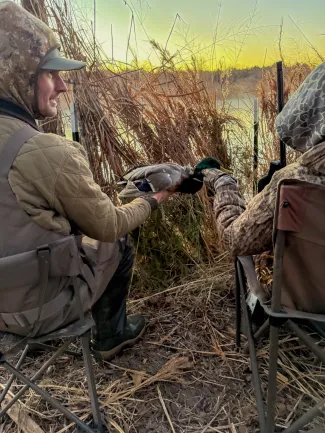
According to Paxton, building confidence and safe hunting habits are among the primary goals of the guided youth waterfowl program.
“We want kids to leave with the confidence to go out and hunt safely and responsibly on their own, ” Paxton said.
These hunts are especially valuable for families interested in hunting but unsure where to begin.
“The most rewarding hunts are when both the youth and their guardian are in interested in hunting but lack experience,” Paxton said. “This allows us to teach them the basics together and give them a solid foundation to continue on their own.”
Beyond hunting skills, the program provides opportunities to learn about conservation. Long stretches in the blind create moments for guides to discuss wildlife management, migration, habitat and the role that hunters play in conservation.
“Understanding how ducks live and migrate helps kids become better hunters and better conservationists," Paxton explains.
For Ryatt, the hunt left a lasting impression. One of his proudest moments came when he nearly doubled on a pair of mallards.
“I almost got a double,” he said with a smile.
When asked if he would like to go waterfowl hunting again, he immediately said”
“Yes, it was so much fun!”
Your Adventure Starts Here
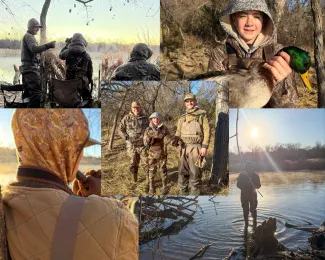
And for other kids considering trying hunting for the first time? “Go. It is a great experience.” -Ryatt
Paxton hopes more families will take that advice.
“Let them give it a try. “ he said. “Hunting teaches patience, planning, responsibility, and respect for nature. It gives kids a productive outdoor activity that can become a lifelong passion.”
As someone whose own hunting journey began on an ODWC youth hunt, Paxton understands the impact that these opportunities can have.
“Being involved in these hunts allows me to continue that cycle and hopefully inspire the next generation of hunters and conservation professionals.”
For Ryatt, what started as a guided youth hunt became a day filled with new experiences, new knowledge, and memories of mallards descending at sunrise.
For Oklahoma youth who have ever wondered what waterfowl hunting is all about, a guided youth hunt might be the perfect place to start.
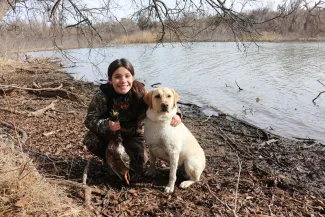
Waterfowl hunting teaches patience, discipline, responsibility, and decision-making. These qualities benefit both boys and girls.
Hunter Education
The Wildlife Department’s hunter education course teaches students to hunt safely and provides eligible hunters with full hunting-license-purchase and hunting privileges. Hunter-education-certified hunters can buy any hunting license and hunt big game and/or small game alone (except, of course, youth participating in youth deer gun season must adhere to accompaniment requirements).
Who is Exempt from Hunter Education?
- Anyone 31 years of age or older.
- Anyone honorably discharged from the U.S. Armed Forces.
- Anyone currently on active duty in the U.S. Armed Forces.
- Anyone who is a member of the National Guard.
Hunter Education Courses
Students age 10 or older needing hunter education are encouraged to take the free course online. Persons under ten (10) years of age may take the hunter education course but are not eligible to be tested for and receive hunter safety certification.
Lost Your Hunter Education Card?
If your hunter education card is lost or destroyed, you may purchase a duplicate card by logging on to gooutdoorsoklahoma.com.
Is My Card Good in Other States?
Certification is recognized and honored in all 50 states and all provinces in Canada.