On top of their everyday survival challenges, Oklahoma’s wildlife have had to deal with grueling summer temperatures and rather dry and crispy conditions across much of the state this year.
Recap | The Angry Summer of 2026
A look at Oklahoma Mesonet data shows that, as of August 16, 2026, each of the state’s 120 weather stations have recorded maximum air temperatures at or above 90 degrees at least 37 days this year. In the southwest, Altus has logged nearly 100 90-degree days, and Grandfield has endured more than 20 consecutive 100-degree days! While the eastern side of the state hasn’t suffered quite as many days with such extreme heat, it has been pretty much on par with the west for maximum heat indices above 100 degrees. Rainfall has been more of a mixed bag, with Goodwell logging 35% of Oklahoma’s 1991–2020 normal rainfall and Bristow and Idabel catching nearly 200% of that norm.
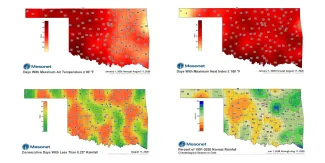
The current oven-like conditions can make it downright miserable even in the shade, but Oklahoma’s wildlife are built to endure harsh conditions and the resulting angry red maps. From clever yoga moves to ribald and humorous behaviors, we share five of our favorite summer adaptations that dragonflies, birds, lizards, snakes, and even squirrels use to deal with scorching summer conditions.
Five Summer Adaptations
5: The Dragonfly Obelisk
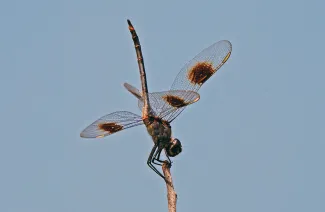
Dragonflies live for uncloudy days, but when the sun’s rays get too intense, they channel their inner yogi by pressing the forearms down, lifting the weight off the neck, and engaging the core. This “obelisk” or statue pose, with the tail pointed to the sun, makes the long and lean animals even less of a target for the sun and can slow the rise of body temperatures.
Less acrobatic animals merely rely on the shade. Where cover is sparse, grasshoppers and birds may form ranks in the shade cast by a telephone pole or any other available structure.
4: The Disappearing Act
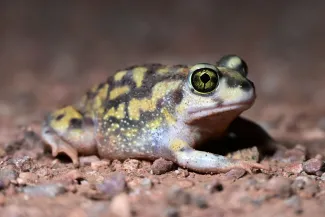
Even though it feels hot enough for earth’s lifeforms to melt into the heat haze, wildlife can avoid hot and dry days by changing their daily routines or just digging in and focusing on survival. Some day-shift snakes like the western ratsnake and bullsnake temporarily switch to nights until summer finally lays off. But many amphibians simply have no chill and escape drought conditions by going underground. The Couch’s spadefoot can spend more than 80% of the year burrowed into sandy soil, emerging only for spring or fall rains.
3: The Foot and Leg Hypotheses
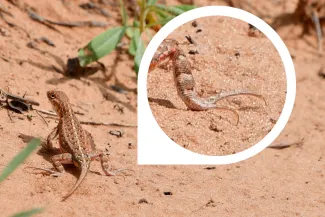
Even though most Oklahoma lizards have relatively small bodies, they’d have salesclerks running for their largest shoe sizes from waaay back in the stockroom. Disproportionately large feet not only help lizards dash across loose sand but also help some species balance on and raise opposing legs to get a little relief from hot sand and rocks. Long, thin toes also mean less lizard comes in contact with the surface of the sun – er, earth.
Clodhoppers can help lizards stay cool, but some birds rely on a very different strategy. Bare legs help cool the bird blood pumping just below the surface, but vultures and herons can take it one step further by urinating or defecating on their legs and feet. As the waste dries, it allows for evaporative cooling — the job of human sweat — and gives the birds a chic look to boot.
2: The Dignified Gape
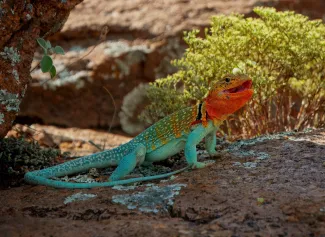
As majestic and put-together as most Oklahoma wildlife look most of the year, proper manners tend to go out the window when it’s 103 in the shade. Instead, many birds and reptiles trade in their snooty smirks for a dignified gape. Opening the mouth and vibrating the moistened throat is another way animals that don’t sweat can achieve evaporative cooling.
1: The Summer Sploots
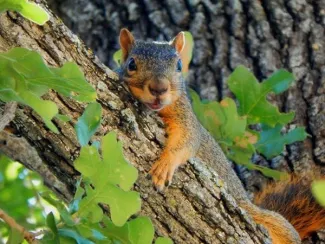
We can learn many a life lesson from squirrels, but perhaps the most valuable is to just give a sploot. When the temperature gauge pegs out, squirrels and other animals extend their legs and stretch their stomachs on shaded ground or somewhat cooler surfaces. This “heat dumping” strategy helps the animal cool down and is such a genuine summer move.
Spending time outdoors this summer? Take a page from Oklahoma’s wildlife and make at least a few summer adaptations. In addition to getting as much done in the cooler morning and evening hours, drink plenty of water and wear lightweight, light-colored, and loose-fitting clothing. Find your favorite spot to sploot and take plenty of breaks.