
Description
**INVASIVE!**
Black carp (Mylopharyngodon piceus) were imported to the United States in the 1970s and 1980s as a biological control agent for snail pests in aquaculture ponds. By the 1990s, black carp had escaped captivity and were found in natural waters in the Mississippi River basin where natural reproduction has been documented.

***The importation and possession of invasive carp are illegal in Oklahoma without the written consent of the ODWC Director.***
Habitat
ODWC confirmed the first report of a black carp within a private pond in McCurtian County in 2026. Black carp are benthic molluscivores that stay close to the bottom of the water column feeding on mussels and snails. They have strong pharyngeal teeth that they use to crush mollusk shells. Black carp have the potential to seriously impact already imperiled native mussel species and may compete for food resources with other native benthic fishes including Smallmouth Buffalo.
How To Observe
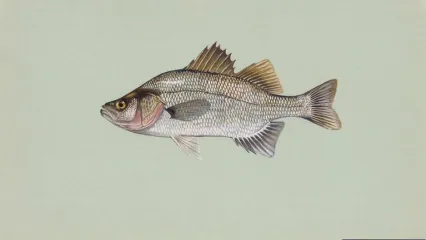
- Long, narrow body
- Keeled belly from pelvic fins to anal fin
- Pointed head that is flattened at the front
- Brown to black in color with dark brown to black fins that are lighter in color at the base
- Large overlapping scales with dark edges (look cross-hatched)
- For more information on how to distinguish black carp from other similar species, watch this video.
What can you do to help stop the spread of invasive carp?
- Consult local conservation authorities about laws and regulations governing importation, culture, and stocking
- Ask your bait dealer where their baitfish came from and never release any unused baitfish to the wild
- Never release pet fish, bait fish, or aquatic organisms from the home aquarium to public water
If you think you have discovered any invasive species contact us at (918) 200-4815 or report online.