The Conservation Reserve Program (CRP) is a voluntary incentive-based program administered by the Farm Service Agency (FSA) that was started in 1985, initially to deal with soil erosion and stabilize commodity prices. This was quickly expanded to include enhancement of wildlife habitat.
CRP’s aim – just like its 1950s predecessor, the Soil Bank Program– was to retire sensitive, highly erodible cropland and establish long-term vegetative cover to reduce erosion.
Balancing CRP with commodity production has encouraged targeted enrollments in sensitive areas. Landowners enrolled in CRP may still use limited prescribed burning, grazing, and haying to manage the ground in accordance with their rental agreement. Brush management (removal of invasive eastern red cedars) and native-grass planting are also allowed. When emergencies occur like droughts or wildfires, FSA may authorize landowners to emergency hay or graze the CRP.
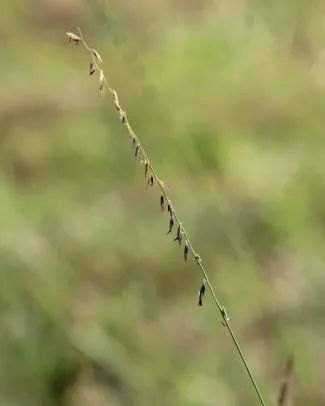
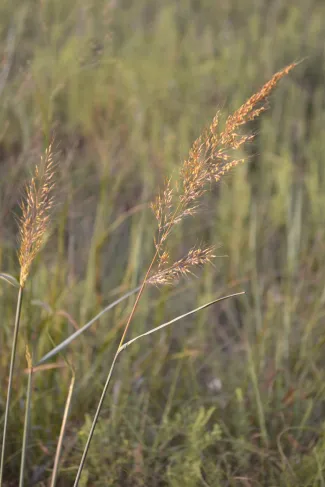
CRP has been vital in Oklahoma due to our diverse prairie ecoregions that include the shortgrass, mixed-grass, and tallgrass prairies. The program has restored habitat fragmented by row-crop farming and has benefited multiple species including northern bobwhite quail, lesser prairie-chicken, greater prairie-chicken, white-tailed deer, waterfowl, and grassland birds. Native mixes (e.g., big or sand bluestem, Indiangrass, switchgrass, buffalo grass, blue grama, sideoats grama) have been shown to be more beneficial to wildlife when compared to introduced grasses (e.g., Old World bluestems, Bermuda grass, fescues). Having 30 percent or more native shrub cover is also important for wildlife (e.g., sand plum, fragrant sumac, and sand sagebrush).
The following are some results from a few scientific studies:
The Natural Resources Conservation Service (NRCS) found that native vegetation in CRP provided 50 percent better erosion control and wildlife benefits. Introduced grasses had lower insect diversity, which has negative effects on bird species.
Northern bobwhite quail have been shown to have 25 percent greater survival in native grasses, when compared to introduced grasses. CRP, with native mixes, supported 40 percent higher quail densities than cropland. Native grasses provided better winter cover for quail, while increasing survival by 15 percent. Pastures of introduced grasses decreased quail nesting success by 20 percent because of the lower structural diversity.
Native tallgrass CRP contained 30 percent more quail broods, while native-grass CRP had twice the quail densities compared to introduced grass. CRP native grasses had 30 percent higher quail survival during drought versus grazed mixed-grass areas.
CRP restored 500,000 acres and boosted northern bobwhite quail by an estimated 20 percent.
Lesser prairie-chicken (LEPC) lek attendance increased by 35 percent in native grasses, while introduced grasses led to a 25-percent lower chick survival. Native CRP reduced habitat fragmentation effects, and improved LEPC brood-rearing habitat, and the birds benefited from native versus introduced grasses. Native mixed-grass CRP supported stable LEPC populations, unlike introduced-grass monocultures.
Native-grass CRP was found to be essential for LEPC recovery.
Greater prairie-chicken (GRPC) had 30 percent increased lek attendance in native-dominated CRP, native areas had more active leks, and GRPC favored native over introduced covers. Native grasses provided 50 percent more foraging area than introduced grasses, and introduced grasses correlated with 30 percent higher predation rates. Native grasses enhanced GRPC breeding success by 40 percent.
Norther bobwhite quail and greater prairie-chicken used introduced grass CRP less.
Grassland birds in native CRP had 40 percent more species when compared with introduced, and nesting density decreased 25 percent in introduced grasses. Native grasses correlated with stable grassland bird populations, and they had decreased reproductive success in introduced grass.
White-tailed deer in native CRP had superior browse and, increased deer densities by 20 percent, but introduced grasses offered less cover, and reduced fawn survival by 15 percent. Native grasses also improved winter forage and increased health, while introduced grasses had nutritional deficiencies. Native mixes in CRP led to 25 percent more enhanced bedding sites.
Waterfowl and deer had 25 percent more habitat in native CRP when compared to exotics. Native grasses around CRP buffers increased duck production by 30 percent, while introduced grasses decreased waterfowl foraging efficiency by 20 percent. Native CRP sites had 35 percent more waterfowl usage, while introduced grass lowered habitat quality.
There are hundreds of scientific studies on CRP, and they point to the success of the program for enhancing wildlife habitat and it has been a benefit to multiple species.