One aspect of deer management that many people overlook is summer habitat. Everyone is so focused on fall forage and food plots that this easily achievable improvement is, many times, the last on someone's list.
Summer habitat has a few key focuses that can improve both the overall well-being of your deer herd, and also improve antler growth over time. Research has shown that a buck’s antler potential begins at the time he hits the ground as a fawn — factors like body condition of the mother, nutritional availability for lactation, and for that fawn to have ample forage to reach body conditions that will help with winter survival. Below you can find some tips and tricks — some DIY, some not — that will help pass those long summer months awaiting sweet fall.
1. Cedar Removal
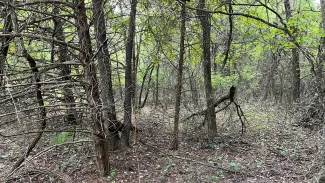
Eastern redcedars continue to spread across the plains and prairies of our state, stealing precious water and sunlight from forbs that deer prefer to eat. Depending on where your property finds itself in regard to cedar development, one can make some pretty good headway with a pair of loppers and a small chainsaw. Clearing these trees promotes grass and forb growth, which improves both lactation and good bedding and hiding cover for fawns. A cut horizontal and flush to the ground does the trick, although anywhere below the lowest living branch will work.
2. Water Improvements
It is true that deer obtain most of their water intake from the foods that they eat. However, in areas where water is a limiting factor, this can separate your property from others who are not thinking outside the “food plot” box. It can also make a huge difference during drought years. You can get as fancy or as "dollar store" as you want in this category. Drilling a well can provide constant, year-round water for deer and all wildlife in general, and solar pumps can provide power in even the most remote areas. Some of my favorite trail camera set-ups are set on water sources, solely because you never know what's going to show up. I’ve seen folks get kiddie pools from the discount store and shuttle water to them on a biweekly basis to make sure there is fresh water available. One tip here is to put some sort of stick or board in the pool to ensure that mice and other small critters can get out in case they fall in.
3. Growing-Season Burns
This one is something that you did not hear much of sitting around the campfire at grandad's deer camp. The common myths of “green vegetation won't burn” or “key plant species will be damaged” are just that — myths. Growing-season burns can promote highly palatable forage later into the fall, improving available nutrition. They can also help control undesirable brush such as sumac and young cedar stands. Burning in mosaic patterns allows for more plant diversity across your property, keeping deer on the property for longer periods.
I’ll close by saying that deer management is a 365-day task. There is no “season” for habitat management, just times of year where focuses shift. I encourage you to reach out to ODWC staff on ideas that you have and goals you wish to achieve. Our private-lands biologists are experts in this field, and it is their bread and butter. Until next time, shoot straight and good luck this coming fall.