
Fishing Tackle & Supplies
Fishing tackle, supplies and equipment are essential to the success of any angler. This doesn’t mean you need to buy the most expensive product on the shelf. But knowing what equipment is needed will help you succeed in your fishing trip. The basic equipment any angler uses is nothing more than a rod and reel with a line, hook and weight. The type of rod and reel, and the sizes of the line, hook and weight will all depend on the species of fish you intend to catch.
The Reel
All fishing reels typically consist of some sort of spool that holds line, with a crank to reel in the line. There are different types of reels that vary in form and function, and have varying degrees of difficulty on their use.
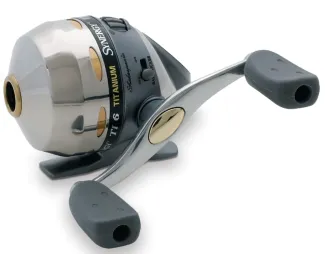
Spincast reels are the most basic and easiest to use. A spincast reel is the recommended choice of any beginning angler since it is easy to operate and difficult to tangle. It is also very versatile in that it can be used in just about any form of fishing.
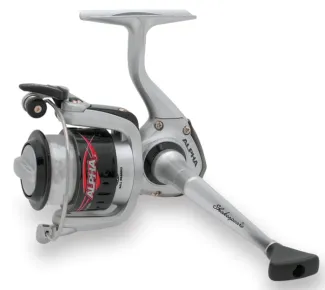
Spinning reels are another type of reel and one of the more common reels used by experienced anglers. This reel is different from the spincast reel in that the spool is open, and the reel hangs underneath the rod instead of sitting on top. The reel is a bit more difficult to use.
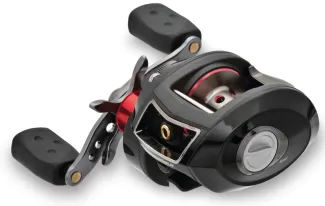
Baitcast reels are sort of a hybrid between the spincast and spinning reel. The line is exposed on the spool similar to the spinning reel, but the reel is back on top of the rod, and the line is released by pushing a button with the thumb on the back similar to the spincast reel. This is a very advanced reel often used by experienced anglers.
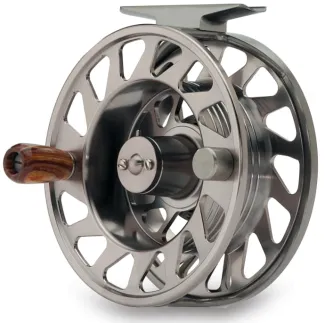
The last reel is a very specific reel associated with a type of cast.
The fly reel is used specifically for “fly fishing.” Like the spinning reel, the fly reel hangs underneath the rod, but is designed so that instead of your bait or tackle being the weight, the line is the weight that is cast.
The Rod


The type of rod you use will depend on the type of tackle you plan to use and which reel you have. Casting reels (baitcast and spincast) sit on top of the rod. So those rods will differ from a rod for a spinning reel which hangs below the rod. The length of a rod can vary from 5 to 6.5 feet for spinning and casting rods for freshwater fishing. The length depends on user preference. But for beginners, 5.5 feet is a good starting point. Rods also have a term called “action” associated with them. The action is how much flexibility the rod has. The lighter the action, the more flexible the rod will be. A rod with heavier action is much stiffer. Your preferred action depends on the size of lure and fish you plan to catch. For beginners, a medium action is a good starting point. Most rods typically have this information stamped near the base just before the handle. The information usually includes the length, action and recommended line weight.

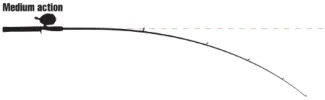
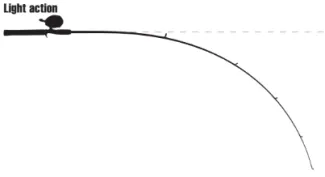
Fly rods are different in that they are longer, usually 7 to 10 feet, and vary in action depending on the weight of line you are using.
They are normally two pieces, with the reel sitting below the grip, keeping it out of the way.
Bait
Bait is one of the most important decisions an angler makes. Bait can be live, such as worms, crickets or minnows. Bait can also be dead or nontraditional, such as cut fish, corn or dough balls. Worms are a common bait, and can be used to catch just about any species of fish in Oklahoma. For the beginner, worms are the best choice, and they make catching sunfish which are plentiful easy to catch. Live bait is better than any nontraditional or artificial bait since it is natural, but live bait typically is not reusable and doesn’t last forever.
Artificial Lures
The choice in artificial lures is almost unlimited. The size, color combination and type are difficult choices an angler has to make when using artificial lures. The purpose of the artificial lure is to imitate something natural. The benefit is that they are typically reusable, and some lures can be used for years.
Plugs/Crankbaits
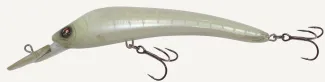
Plugs, often referred to as crankbaits, have the shape and action of a baitfish or aquatic food. Some plugs are made to stay on top of the water, some are designed to go just below the water surface, and some go deep. The depth they travel will depend on the size of the bill or lip on the front of the lure. The larger the lip or bill, the deeper the lure will go when pulled through the water. Crankbaits are usually made of plastic and sometimes contain small metal beads in them that rattle as the lure is pulled through the water. This rattle sends vibrations through the water that are felt by fish, creating interest in the bait.
Try different colored lures to see which color is working the best.
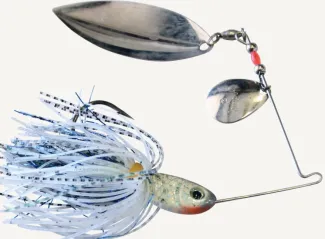
Spinners are metal lures that have spinning blades that rotate through the water. This metal blade imitates another fish swimming through the water. Spinnerbaits, primarily used for bass fishing, have a weighted head with a skirt to hide the hook.
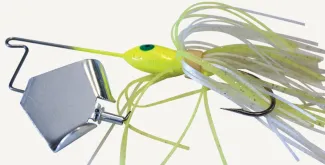
Similar in design to a spinnerbait, the buzzbait is used as a topwater lure. It is a popular lure primarily for bass fishing. It has a propeller-like blade that creates a surface disturbance as it is pulled across the water’s surface. This disturbance on the surface will draw a fish’s attention, just as a topwater crankbait does.
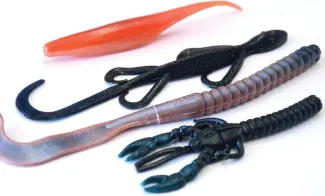
Soft plastic baits come in many sizes and shapes. They are designed to imitate something that would be a natural food for fish. Plastics require a little more work on the angler’s part since they don’t have the action of other artificial lures. More skill and finesse are required to properly imitate the natural food source you are trying to imitate with the lure.
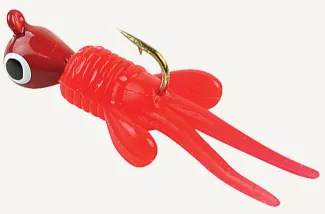
A jig is simply a hook with a weighted head, and a soft plastic or skirt over the hook. Similar to soft plastics, jigs do not have a built-in action, so they require some additional skill on the angler’s part to work the lure.
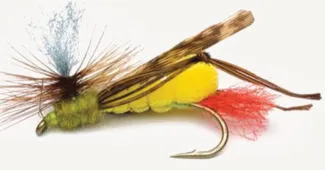
Flies are associated with fly fishing and are typically hooks with hand-tied materials around them. They are designed to imitate a fly or other insect. Commonly used materials include thread, feathers, fur, wool, nylon, tinsel, Mylar and chenille. The assortment of flies is seemingly limitless. Tying flies is a hobby of many experienced anglers.
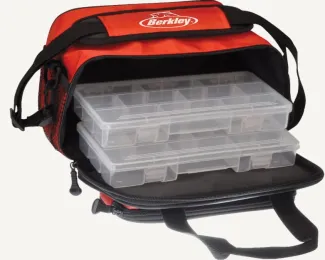
The tackle box is every angler’s best friend. It holds your tackle and helps organize the various tackle an angler will acquire through time. Tackle boxes come in different shapes and sizes. For the beginner, something small and simple is all that is needed.
The Line
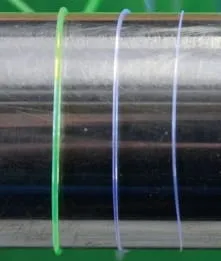
Fishing line is typically a monofilament material that is designed to be nearly invisible in water. The larger the pound-test number, the stronger the line. The downside of stronger line is its thicker diameter. Thicker line means it will be easier for fish to see it in the water. For a beginner, and with most spincast reels, an 8 to 12 pound test line is recommended.
The Weight
Weights, also called sinkers, are an important part of your fishing rig. Weights come in different shapes and sizes for different uses. The weight of the fishing line and hook is not enough to hold your bait down in the water. A sinker helps hold your bait or hook down in the water. The weight also provides additional casting support to help throw your bait into the water. One of the most common weights is the split shot. The fishing line is placed in the groove and the weight is crimped around the line with pliers. Use caution when crimping split shot on the line; crimping too hard can damage the line.
The Hook
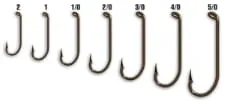
Hooks come in different shapes and sizes. The basic parts of a hook are the eye, shank, bend and barb. The purpose of the hook is to grab the fish and keep the fish from getting away. The barb is an important feature that keeps fish from sliding back off the hook. Some hooks don’t have a barb, because certain fishing regulations require you to use a hook without barbs. The most common hook, and a good hook to start with, is a simple Aberdeen hook. The Aberdeen hook usually has a u shape bend and a longer shank. Once the type of hook is selected, then the size of hook is chosen. Using a hook that is too large might not allow a smaller fish to get the hook in its mouth. Using a hook too small could allow a larger fish to bend or break the hook. Most anglers usually have a few hook sizes on hand so they can switch should they believe the current hook being used is too small or too large.
Hooks should always be handled with care when fishing, to avoid injury.
Cork/Float/Bobber
A float, generally called a bobber, is a plastic bulb or cork that attaches to your line and floats in the water. The bobber is placed above the hook and weight on the line, and can usually be adjusted up or down on the line to allow your bait to stay at a certain depth below the surface. Another purpose is to indicate to the angler when a fish has taken the bait. A bobber is a great tool for a beginning angler, since it will help to indicate when the angler should reel in the fish. Bobbers come in different shapes and sizes.
This content originally appeared in the Wildlife Department’s "Fishing in the Schools Manual." The full PDF manual can be viewed here.