
Knots
A good fishing knot is important to the success of any angler. Tying a fishing knot takes practice to learn but will help reduce the chance of losing a fish because of the line breaking or the knot coming undone. The purpose of a fishing knot is to provide a strong knot while not degrading the quality of your fishing line. Tying a regular knot in fishing line will reduce its strength significantly. If you are using 12 pound-test line and tie a simple knot in the line, the strength of the line at that knot will be much less than the advertised 12 pounds. An improper knot will easily result in a broken line and loss of the fish, bait and lure. The improved clinch knot is one of the easiest fishing knots to tie and is a knot many anglers learned when they were beginners. Read on for instructions on how to properly tie an improved clinch knot.
Practice tying a knot multiple times to help you remember it.
How to tie an improved clinch knot:
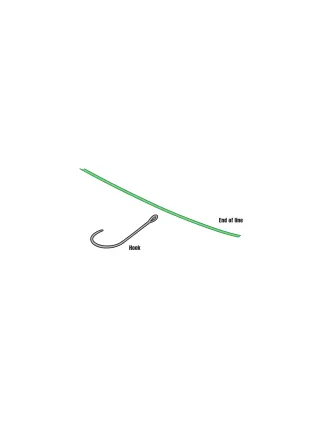
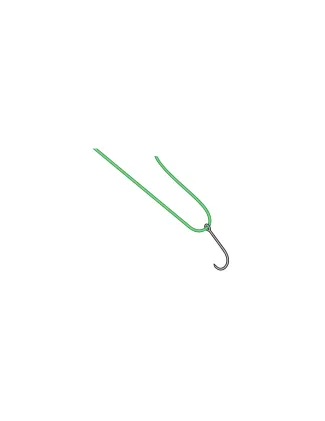
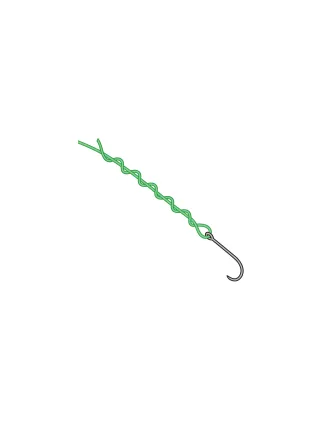
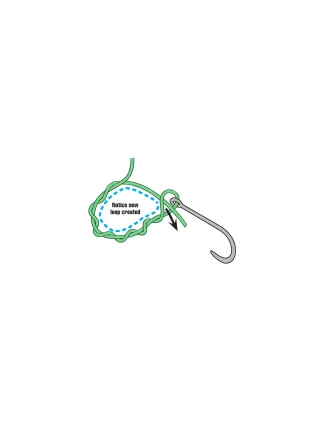
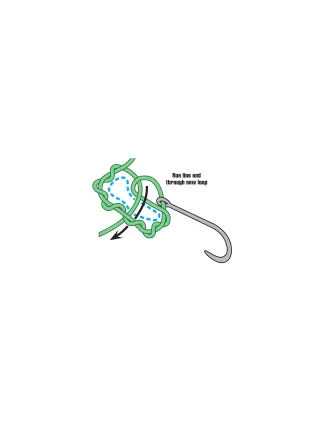
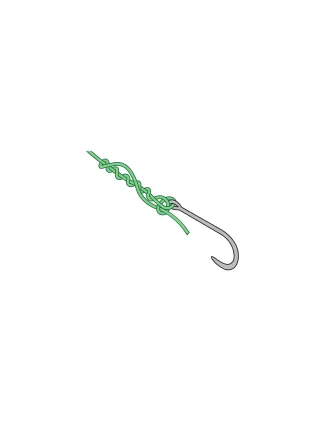
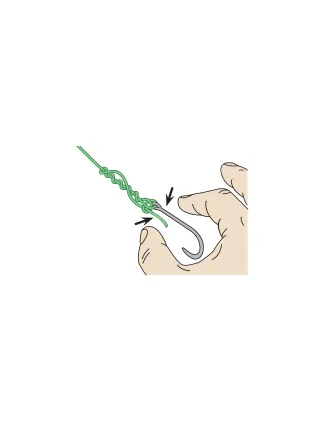
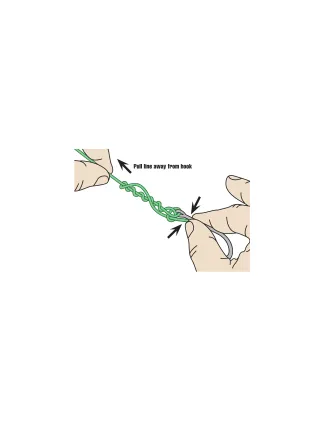
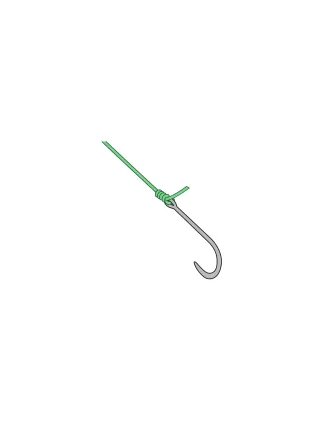
When using monofilament line it helps to “wet” your line before pulling it tight. To “wet” your line either place the line in your mouth or water. The moisture provides a lubricant that will help the line cinch down easier, but will also protect the line from being damaged by the friction.
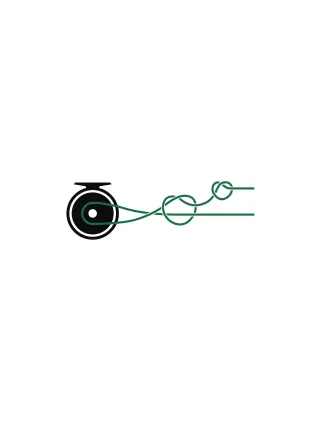
Casting
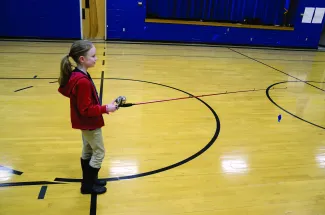
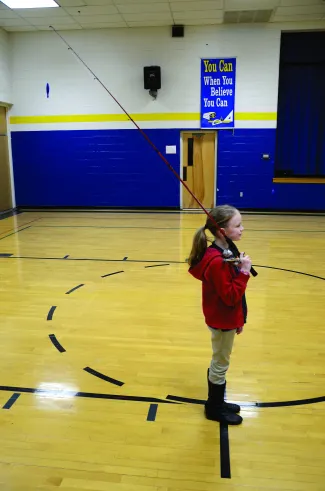
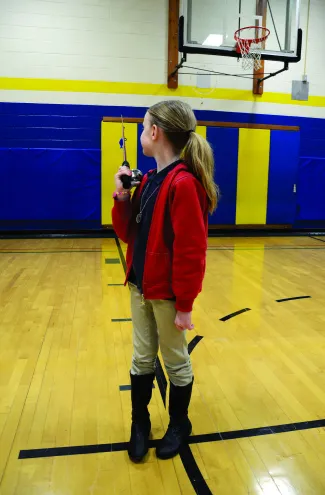
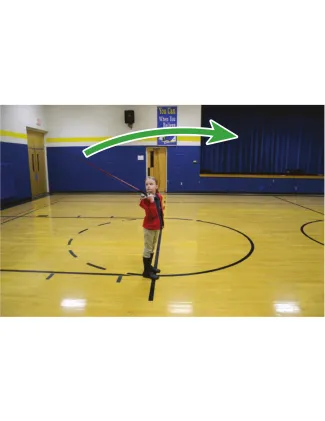
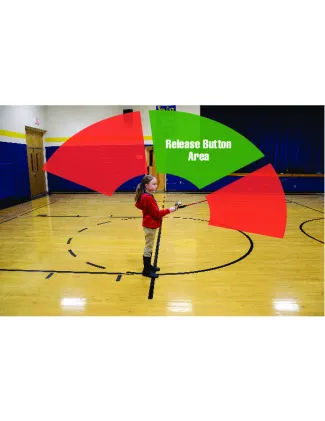
Knowing how to properly cast is an important part to becoming an angler. There are many different ways to cast, but the simplest and easiest to do is the overhand technique using a spincast reel. The key thing to remember when casting is SAFETY! Remember you have a hook swinging from the other end of the line! Make sure nobody is in the way to avoid any serious injury. And be aware of any other objects such as trees that could be hooked to help avoid damage to equipment and save time from possible tangles. Anyone who can drink a cup of water can cast. Before casting, practice this simple motion of drinking from a cup.

be at your side and bent at a 90-degree angle.

Now, using a spincast rod and reel, repeat the same thing.
Back to Beginning Read Next Chapter
This content originally appeared in the Wildlife Department’s "Fishing in the Schools Manual." The full PDF manual can be viewed here.