Anglers are responsible for everything they do. It is the individual’s responsibility to follow the rules and regulations, and to make good ethical decisions when fishing.
Angler Responsibilities and Ethics
- Always think of safety when around the water and dealing with tackle.
- Follow the rules and regulations outlined in the “Oklahoma Fishing & Hunting Regulations.”
- Value the resource and treat it with respect.
- Respect other anglers and be courteous to others on or near the water, giving them the space they need.
- Practice proper fish-handling techniques and release fish immediately back to the water if you decide not to keep them.
- Do not move bait from one place to another.
- Share fishing knowledge and skills.
- Does not pollute.
- Supports conservation.
Now anglers under the age of 18 do not need a fishing license.
Private Ponds
In Oklahoma, many great fishing opportunities are found on private property. Landowner permission must be granted to the angler who wants to fish in a private pond. It is up to the angler to ask for that permission. Fishing a private pond without permission is considered trespassing and could result in a fine. Responsible anglers who gain permission to fish in private ponds always leave the pond the way they found it. Anglers should not leave trash or anything behind. Trash found around a pond should always be picked up to help out the landowner.
Angler Code of Ethics
It is important as an angler to have a personal code of ethics. Ethics are not always rules or regulations that we are required to follow by law, but they are beneficial to the sport of fishing and its future.
Preparing for a Successful Fishing Trip
The definition of a successful fishing trip varies for each person. For many people, just having an opportunity to get away and enjoy the outdoors is enough. Some might measure the success of a trip on the number of fish caught, or the size of a fish caught. Whatever your definition, preparation is important if you want to come home with a great story to share.
As an angler, you are responsible for your actions when fishing.
Water Safety
Anglers who use boats should always put emphasis on water safety. Every angler who is on the water should wear a personal flotation device regardless of whether he or she knows how to swim. Children and non-swimmers should always wear them when near the water.
Aquatic Nuisance Species
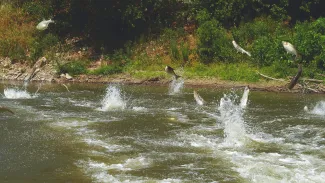
The Aquatic Nuisance Species (ANS) Program was created in 2008 to educate the public about invasive species in Oklahoma. Oklahoma’s waters are home to many plants, invertebrates, and fish. However, some of these species are not native and are considered invasive.
Aquatic nuisance species are non-native aquatic organisms that cause serious harm to aquatic ecosystems. Learning how to identify these species and how to prevent their spread is an important step in reducing their impact.
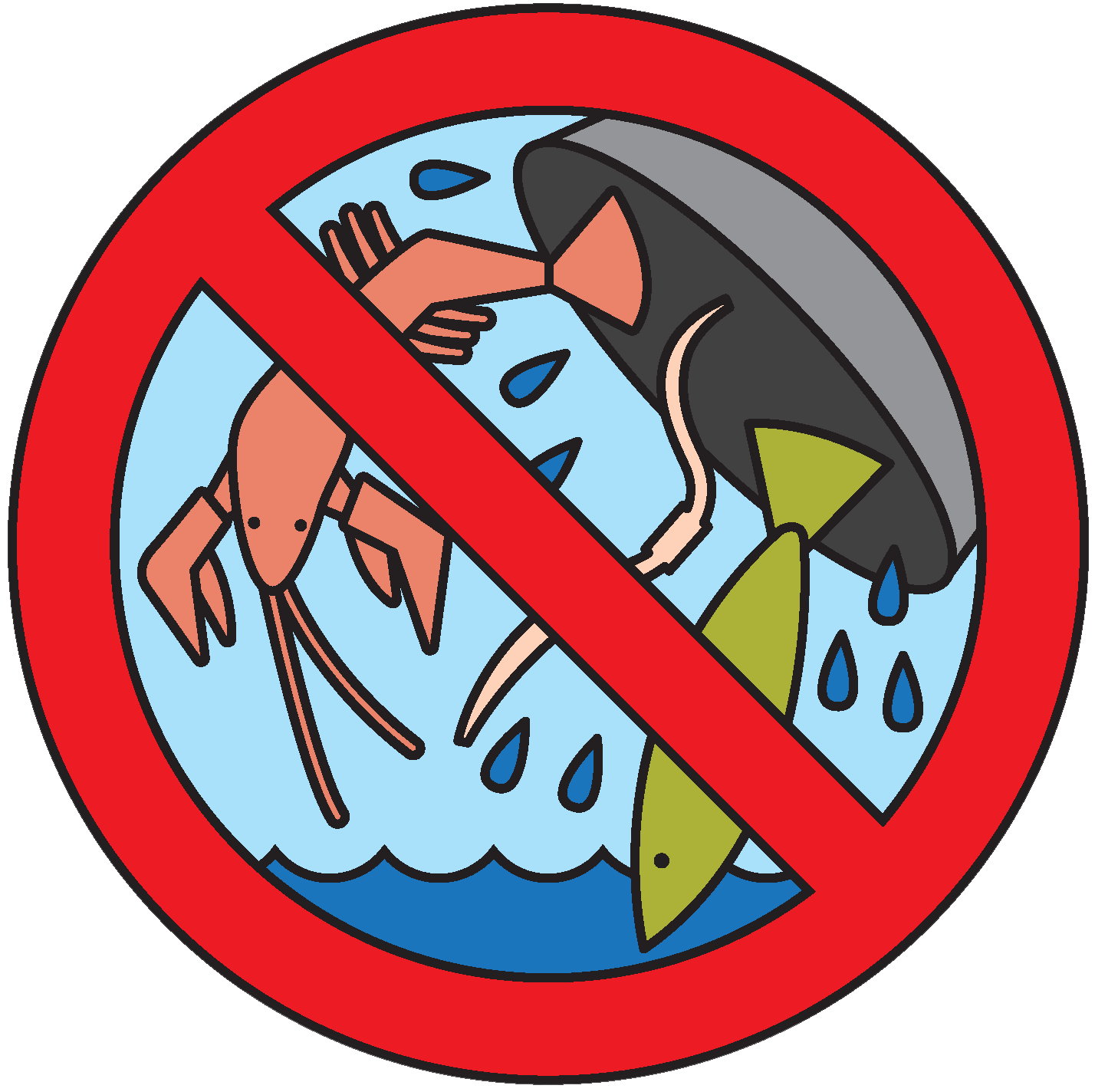
Don’t Dump Bait
Bait and non-native plants and animals hitchhiking in bait can harm our lakes and rivers.
Do not dump unused bait back into the water. Instead, dispose of bait on land or in fish approved dumpsters.
Protect Oklahoma's Fishing for the Future
Everyone can help protect Oklahoma’s lakes and rivers for future generations by preventing the spread of aquatic nuisance species. ANS threaten the health and balance of aquatic ecosystems across the state. Boaters and anglers can accidentally spread invasive plants and animals when moving from one body of water to another. You can help stop the spread by cleaning, draining, and drying your boat and equipment, and by properly disposing of unused bait.
Back to Beginning Read Next Chapter
This content originally appeared in the Wildlife Department’s "Fishing in the Schools Manual." The full PDF manual can be viewed here.